
The world of Home Security is evolving at a pace we have never experienced before, driven by rapid technological advancements, increased consumer awareness, and a shift toward smarter, more interconnected living environments. As threats become more sophisticated, homeowners are looking for innovative solutions that not only provide protection but also integrate seamlessly with modern lifestyles. This has created a landscape where cutting-edge technologies such as AI-driven cameras, autonomous monitoring, smart sensors, and predictive analytics are becoming standard. In this comprehensive expert analysis, Deep Dive Picks breaks down the most influential Home Security trends dominating this year, exploring the innovations reshaping how homeowners safeguard their families, property, and peace of mind.
The Rise of AI-Powered Surveillance in Home Security
Artificial intelligence has taken center stage in Home Security, transforming the way cameras and monitoring systems operate. Instead of relying solely on motion detection, modern AI-driven systems can analyze behavior, distinguish between threats, and reduce false alarms dramatically. This means homeowners receive more accurate alerts, enabling faster responses and greater confidence in their Home Security setup. AI-powered cameras are now capable of identifying people, animals, packages, and even unusual activity patterns. This evolution has created systems that not only observe but also understand, making them more effective and reliable than ever.
AI integration in Home Security is not merely a luxury; it is rapidly becoming a necessity. With intelligent recognition, cameras can alert homeowners when unfamiliar faces approach the property or when unusual movement occurs during specific hours. This improved contextual awareness allows homeowners to make informed decisions without being overwhelmed by irrelevant notifications. The ability to filter meaningful events from daily activity is one of the primary reasons AI-powered surveillance is a trend shaping the future of Home Security.
Smart Home Integration Is Now a Core Expectation in Home Security
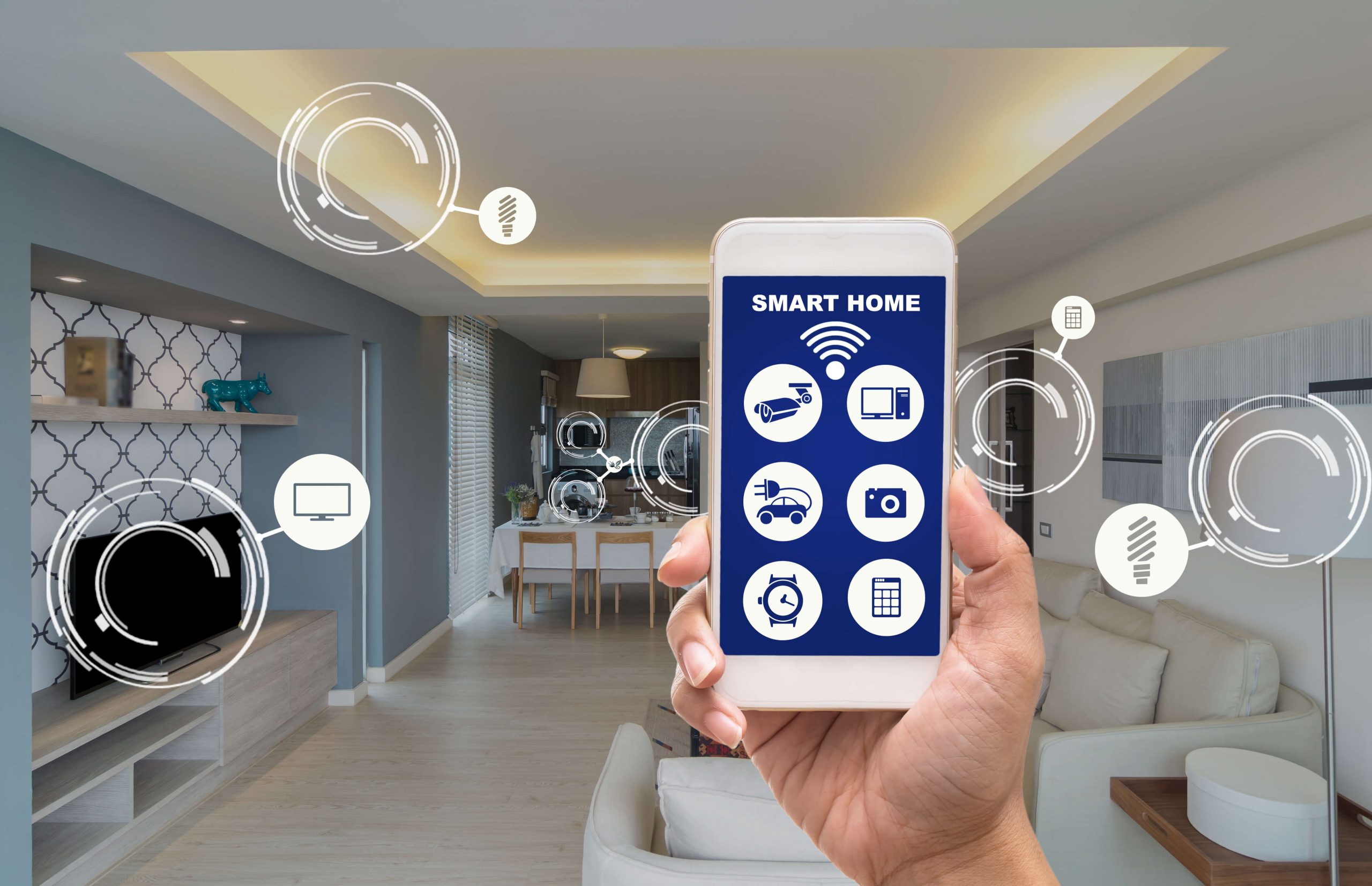
The shift toward smart homes has influenced nearly every aspect of Home Security, making integration one of the most important trends of the year. Homeowners now expect their security systems to work harmoniously with existing smart technologies such as smart lights, voice assistants, thermostats, and automated locks. This interconnected ecosystem enhances protection by enabling multiple devices to work together intuitively. For instance, when a door sensor is triggered, smart lights may automatically illuminate, cameras may begin recording, and mobile alerts may be sent instantly.
This unified approach to Home Security creates a seamless experience where homeowners can manage everything through a single platform. Instead of juggling different apps, smart home integration provides a streamlined dashboard that offers full visibility and control. This trend is especially important for those who value convenience without compromising safety. As smart homes continue to gain momentum, the expectation for integrated Home Security systems will only grow stronger, influencing purchasing decisions and shaping product development across the industry.
Remote Monitoring Is Becoming More Advanced in Home Security
Remote monitoring has long been a key component of Home Security, but this year it has advanced far beyond simple live video feeds. Modern monitoring systems now offer real-time analytics, intelligent alerts, cloud storage options, and instant communication capabilities. Homeowners can now check in on their property at any time, from anywhere, using intuitive mobile apps that provide detailed insights. Whether traveling, working, or simply away from home, enhanced remote monitoring keeps homeowners connected and informed.
The expansion of remote capabilities in Home Security has also been driven by improvements in network speed and reliability. With the widespread adoption of 5G, video footage can be streamed in higher resolutions with minimal delay, allowing for clearer and more actionable surveillance. Many systems now include two-way audio, letting homeowners communicate with visitors or deter intruders in real time. As remote monitoring continues to evolve, it reinforces the idea that Home Security is no longer limited to the boundaries of a home but extends wherever the homeowner goes.
Biometric Authentication Is Strengthening Home Security Access Control
Biometric authentication has emerged as a major trend in Home Security, replacing traditional locks and passwords with fingerprint recognition, facial scanning, and personalized access profiles. As cyber threats increase and physical security demands become more complex, biometrics offer a secure and convenient alternative. These systems drastically reduce the risk of unauthorized entry since they rely on personal identifiers that cannot be easily duplicated or stolen.
This year, biometric access control has become more accessible to everyday homeowners, not just luxury estates or commercial buildings. Smart locks featuring fingerprint scanning are gaining popularity, along with security systems that recognize authorized users automatically. By integrating biometrics into Home Security, homeowners can ensure that only trusted individuals can enter the property, while maintaining a streamlined and modern experience. The rise of biometrics reflects a broader movement toward personalized and technology-driven protection.
Environment-Aware Sensors Are Expanding the Scope of Home Security
While traditional Home Security focused primarily on preventing theft and intrusion, the modern approach includes safeguarding homeowners from environmental hazards. Sensors designed to detect smoke, carbon monoxide, gas leaks, flooding, and temperature changes are becoming essential components of a comprehensive Home Security system. This shift acknowledges that threats to safety extend beyond external risks and that early detection can prevent serious damage or life-threatening situations.
Advanced sensors now incorporate AI-driven monitoring, allowing them to differentiate between real risks and harmless changes. For example, a smart smoke detector may alert homeowners not only to fire hazards but also to battery issues, connectivity problems, or unusual air composition. By expanding the definition of Home Security to include environmental safety, homeowners can enjoy more complete protection that addresses both internal and external threats in their living spaces.
Cloud Storage and Encrypted Data Are Elevating Home Security Standards
With increased digital integration, data protection has become a critical component of Home Security. As more systems rely on cloud storage and remote access, encryption and cybersecurity have become essential. This year, homeowners are prioritizing security solutions that offer secure cloud storage, multi-layered encryption, and advanced data protection protocols. These features ensure that video footage, personal information, and system access remain protected from cyberattacks.
The rise of cloud-based Home Security also offers significant benefits such as unlimited storage capacity, automatic backups, and the ability to access recorded footage from anywhere. Instead of relying on local storage that may be lost, stolen, or damaged, homeowners can trust that their data is safely preserved online. As privacy concerns continue to grow, companies are responding with stronger, more transparent security measures to build user trust and maintain the integrity of Home Security data.
Voice Control Is Transforming User Interaction in Home Security
Voice assistants such as Google Assistant, Amazon Alexa, and Apple Siri have become deeply integrated into modern living, and this trend is now shaping Home Security more than ever. Homeowners can arm or disarm their systems, control cameras, lock doors, or activate lighting using simple voice commands. This hands-free approach enhances usability, especially for busy households or individuals with limited mobility.
The expansion of voice control in Home Security has also introduced more personalized automation options. Homeowners can set routines that trigger security actions automatically at specific times or under certain conditions. These routines create a proactive defense strategy where the home responds intelligently to potential threats. As voice technology continues to evolve, its role in Home Security will only grow stronger, offering homeowners greater flexibility and control.
Drones and Robotics Are Emerging as Future Home Security Tools
Although still in early adoption, drones and robotic devices are becoming a growing trend in Home Security. Autonomous drones can patrol properties, capture footage, and respond to alerts triggered by other devices. Robotic assistants equipped with sensors and cameras provide mobile monitoring that stationary systems cannot achieve. These innovations introduce new possibilities for covering large areas, inspecting hard-to-reach spaces, and offering 360-degree protection.
As the technology becomes more refined and affordable, drones and robotics represent one of the most exciting frontiers in Home Security. They bring mobility, autonomy, and precision together in a way that traditional systems cannot replicate. While widespread adoption may take time, the trajectory is clear: robotics will play a significant role in the evolution of Home Security for years to come.
Sustainable Security Solutions Are Influencing Home Security Choices
Sustainability is influencing every industry, including Home Security. Homeowners are increasingly looking for energy-efficient security devices that reduce electricity consumption without compromising performance. Many modern security systems now feature solar-powered cameras, low-energy sensors, and eco-friendly materials. Manufacturers are responding with solutions designed to minimize environmental impact while delivering reliable protection.
This trend reflects a growing desire for responsible technology that aligns with long-term environmental goals. Sustainable Home Security options offer practical benefits such as reduced utility costs, longer device lifespans, and improved system reliability during power outages. As the sustainability movement continues, eco-conscious security solutions will become a standard expectation among homeowners.
Predictive Analytics Are Taking Home Security to a New Level
Predictive analytics represent a groundbreaking advancement in Home Security, giving homeowners the ability to anticipate threats before they occur. By analyzing patterns and historical data, modern systems can detect anomalies and predict potential risks. This proactive approach marks a significant departure from traditional reactive protections. Predictive Home Security enables homeowners to make informed decisions based on real-time insights and trend analysis.
This trend not only enhances protection but also empowers homeowners with a deeper understanding of their environment. Systems equipped with predictive analytics can alert users to unusual activity in the neighborhood, potential break-in risks, or environmental hazards developing over time. As technology continues to advance, predictive analytics will become a cornerstone of modern Home Security, offering smarter and more adaptive protection than ever before.
Conclusion
The landscape of Home Security is undergoing a transformative shift driven by innovation, intelligence, and integration. As homeowners demand more reliable, user-friendly, and intuitive protection, technologies such as AI-powered surveillance, smart home integration, biometric access control, and predictive analytics are taking center stage. These trends not only strengthen the physical safety of homes but also enhance convenience, efficiency, and peace of mind. At Deep Dive Picks, our mission is to help readers stay ahead by uncovering the most impactful developments shaping Home Security today. With the rapid evolution of modern threats and technological advancements, staying informed is crucial, and understanding these trends ensures that homeowners can make confident, future-ready security decisions. For more insights, head over to our main site.
Frequently Asked Questions
How is AI changing Home Security?
AI is revolutionizing Home Security by enabling cameras and sensors to analyze activity intelligently rather than relying solely on motion detection. This reduces false alarms, provides more context-aware alerts, and enhances overall monitoring accuracy for homeowners.
Why is smart home integration important in Home Security?
Smart home integration allows various devices to communicate and work together to create a unified Home Security system. Homeowners can control locks, lights, cameras, and alarms from a single platform, making the experience more efficient, convenient, and effective.
Are biometric locks more secure than traditional locks?
Biometric locks significantly enhance Home Security because they use personal identifiers such as fingerprints or facial recognition, which cannot be easily copied or stolen. This provides a higher level of protection compared to traditional keys or passwords.
What role does cloud storage play in modern Home Security?
Cloud storage plays a critical role in Home Security by enabling homeowners to store and access video footage securely from anywhere. It ensures data is protected through encryption and eliminates the risk of losing important recordings due to hardware failure.
Why are environmental sensors part of Home Security systems now?
Environmental sensors are now essential in Home Security because they protect homes not only from intruders but also from hazards such as smoke, carbon monoxide, flooding, and gas leaks. This expanded scope ensures more comprehensive safety for homeowners and their families.