
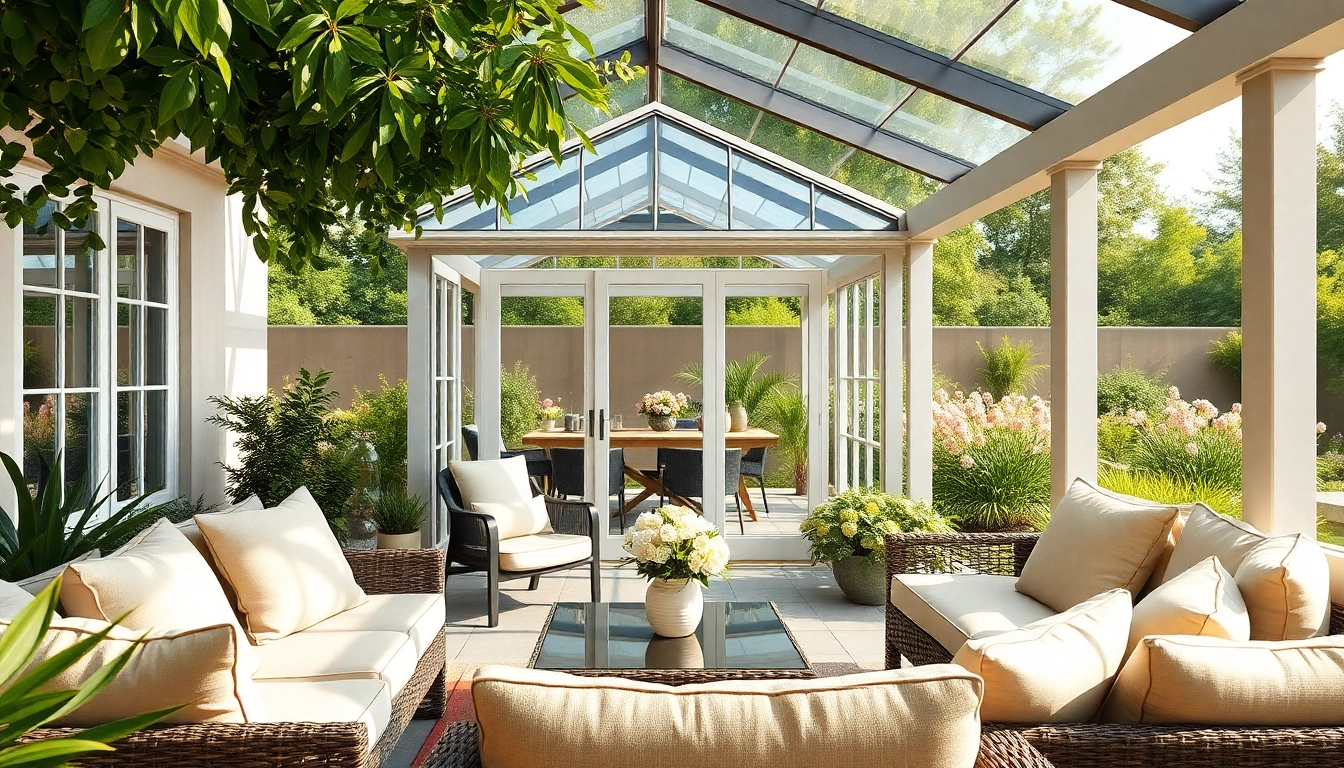
Understanding Patio Additions
What Are Patio Additions?
Patio additions refer to any structures or features that enhance outdoor living spaces, improving functionality, aesthetics, and overall appeal. These can include everything from simple furniture arrangements and landscaping improvements to permanent structures like sunrooms, pergolas, or greenhouses. By converting your patio into a multi-functional area meant for relaxation, cooking, or entertaining, you essentially broaden your home’s usable space, making it more enjoyable year-round.
Benefits of Implementing Patio Additions
Adopting patio additions offers myriad benefits that extend beyond mere aesthetics. Enhancing your patio can boost property value, expand your living space, and cater to various activities, be it family gatherings, outdoor dinners, or peaceful retreats. Additionally, they offer an opportunity to embrace nature, allowing greater immersion into your surroundings while enjoying the comfort of home. For those seeking to capitalize on this potential, patio additions provide a particularly appealing option.
Types of Patio Additions
There are numerous types of patio additions tailored to fit various preferences and needs. Understanding these can help you choose what best complements your lifestyle:
- Sunrooms: Enclosed spaces that allow you to enjoy the outdoors year-round while being protected from the elements.
- Covered Patios: Areas that offer shelter while still providing an outdoor experience, often embellished with comfortable furniture.
- Pergolas: Open structures that provide partial shade, ideal for climbing plants or hanging decorations.
- Outdoor Kitchens: Designed for cooking and entertaining outside, complete with appliances and seating.
- Fire Pits: Perfect for assembling around during cooler months, enhancing warmth and ambiance.
Designing Your Outdoor Space
Choosing the Right Location for Patio Additions
Positioning is critical when planning patio additions. Factors such as sunlight exposure, prevailing winds, and proximity to your home greatly influence how your additions will be used. Ideally, they should be comfortably accessible from indoors, often adjacent to the kitchen or living area for convenience. Also, consider your landscape’s natural features; using them to guide your design can create a seamless blend of indoor and outdoor living.
Materials for Patio Additions
The choice of materials for your patio additions greatly affects durability, maintenance, and aesthetics. Common materials include:
- Wood: Offers warmth and is easily customizable, perfect for decks and pergolas.
- Composite Materials: More durable than wood, requiring less maintenance and resistant to weather.
- Stone or Brick: Ideal for a rustic feel, very durable, and complements various garden styles.
- Metal: Ideal for modern designs, especially in structure frames and outdoor furniture.
Creating Flow with Other Outdoor Features
Designing a cohesive outdoor space requires creating visual and functional flow with existing features. Consider paths connecting your patio to the garden, adequate lighting that defines spaces, and incorporating plants or other landscaping elements that complement your additions aesthetically and naturally. This thoughtful design promotes ease of movement and enhances the overall experience of your outdoor environment.
Cost Considerations for Patio Additions
Estimating Budget for Your Patio Additions
Determining a budget is essential for any home improvement project, including patio additions. Costs can vary significantly based on size, materials, and labor. Starting with a clear budget helps to prioritize features. Researching typical costs—which can range from a few thousand dollars for basic enhancements to tens of thousands for elaborate structures—will help set realistic expectations.
Cost-Effective Alternatives
If budget constraints are a concern, consider DIY projects. Many aspects of patio additions, such as creating planters or seating areas, can be tackled without hiring professionals, significantly reducing overall costs. Additionally, focusing on smaller, incremental improvements over time can allow for gradual upgrades without overwhelming your finances in one go.
Balancing Quality and Affordability
When planning patio additions, it’s crucial to strike a balance between quality and budget. While opting for cheaper materials may initially save money, they can lead to increased maintenance costs and a shorter lifespan. Investing in quality materials or hiring skilled professionals can result in a durable and attractive patio that enhances your living space for years to come.
Installation and DIY Tips
Professional Installation vs. DIY
Choosing between professional installation and DIY for your patio additions depends on various factors, including your skill level, the complexity of the project, and personal budget constraints. While DIY can save money, professional installation often ensures a higher quality finish and adherence to local building codes. Analyze the requirements of your project, and consider consulting a professional for guidance or assistance, especially for larger projects.
Tools Needed for DIY Patio Additions
For those opting for a DIY approach, having the right tools is essential. Common tools may include:
- Shovels and Rakes: For landscaping and preparing the ground.
- Level: To ensure structures are even and properly aligned.
- Saw and Drill: For cutting and assembling wood or composite materials.
- Measuring Tape: To ensure precise dimensions and layouts.
- Safety Gear: Such as gloves and goggles to protect yourself during construction.
Common Challenges and Solutions
Every patio addition project can encounter challenges, from dealing with uneven ground to inclement weather. To mitigate these obstacles:
- Plan Thoroughly: Having a comprehensive plan can help foresee potential issues.
- Assess Weather Conditions: Schedule your work during favorable weather conditions to avoid delays.
- Seek Help: Don’t hesitate to enlist friends or hire professionals if challenges arise that seem too daunting.
Maintaining Your Patio Additions
Seasonal Care for Patio Additions
Proper maintenance of your patio additions is crucial to their longevity. Seasonal care should include cleaning surfaces, checking for weather damage, especially after extreme weather, and applying protective finishes when necessary. Regular maintenance not only improves appearance but also ensures safety and functionality.
Restoration and Upkeep Tips
Restoration can rejuvenate an older patio space, making it look new again. Consider re-staining wooden structures, replacing broken tiles, or deep cleaning surfaces to maintain aesthetics. Scheduled upkeep checks to address minor repairs before they become larger issues can be an effective way to maintain your patio’s longevity and functionality.
Enhancing Longevity of Your Patio Additions
To enhance the lifespan of your additions, consider annual inspections, applying weatherproofing treatments, and ensuring proper drainage away from structures. Seeking expert advice on specific materials and their upkeep can also aid in preserving the beauty and utility of your patio additions.
Frequently Asked Questions
1. What is the best material for patio additions?
The best material depends on your design accessibility and desired aesthetic. Common options include wood for warmth, stone for durability, and composite materials for low maintenance.
2. Can I build a patio addition myself?
Yes, many homeowners opt for DIY patio additions. Essential knowledge about construction and access to right tools will aid in success in such projects.
3. What is the average cost of building a patio?
The average cost typically ranges from $2,000 to $6,000 depending on factors such as size, materials, and additional features.
4. How do I maintain my patio additions?
Regular maintenance includes cleaning, checking for damages, and seasonal care like applying protective treatments or refinishing surfaces as needed.
5. What are cost-effective alternatives for upgrading my patio?
Cost-effective alternatives include DIY projects, focusing on smaller enhancements, and utilizing budget-friendly materials like gravel or concrete pavers.

