
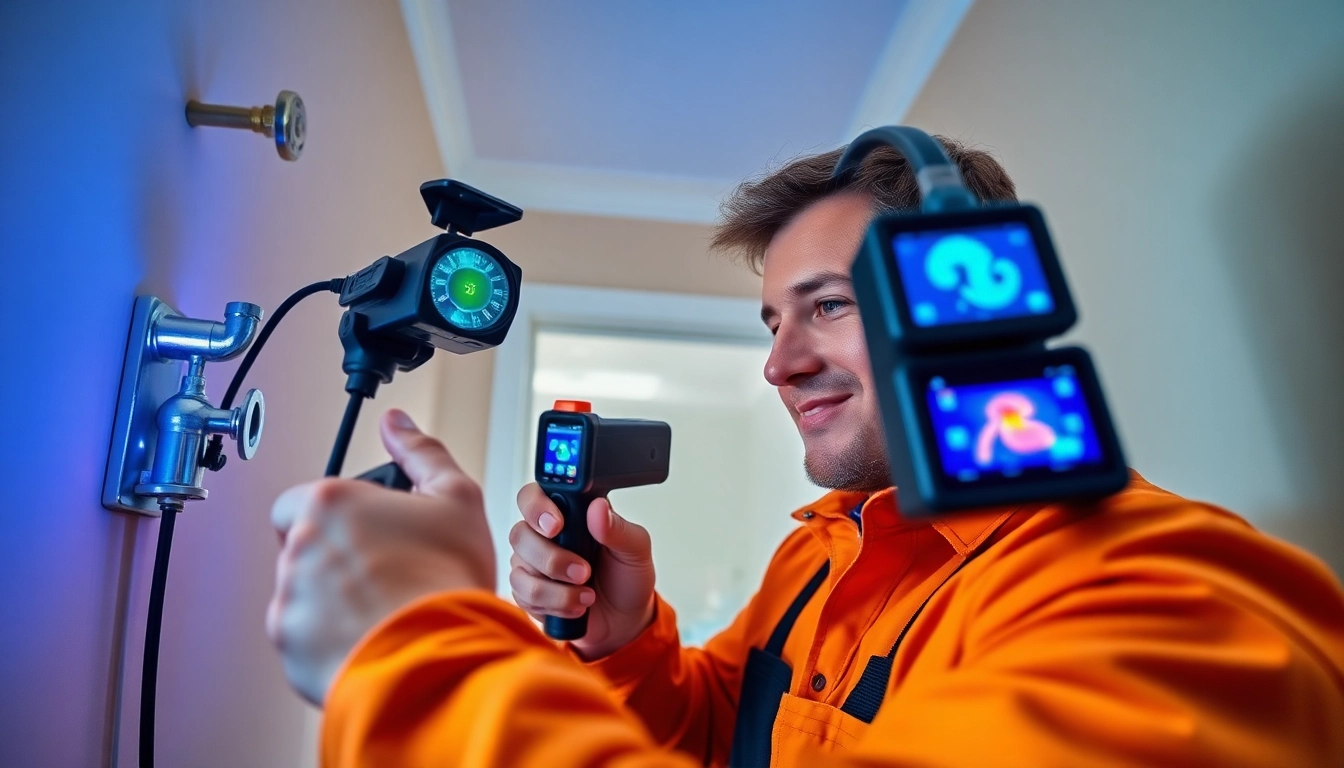
Understanding Leak Detection: Importance and Benefits
Leak detection is a critical aspect of property maintenance that often goes unnoticed until significant damage occurs. This proactive service can save homeowners considerable costs and protect their investments from water damage, mold growth, and structural issues. With advancements in technology, leak detection has become more accurate, non-invasive, and efficient, ensuring that potential problems are identified before they escalate. This article explores the importance of timely leak detection, the signs to watch for, and how to choose the right service providers for your home. When exploring options, leak detection services can provide comprehensive insights into your needs.
What is Leak Detection?
Leak detection is the process of identifying and locating leaks in plumbing systems, which can be concealed within walls, floors, or underground pipes. Various methods, ranging from traditional visuals to advanced technologies, are utilized to pinpoint the source of leaks. These methods include pressure testing, acoustic sensing, thermal imaging, and tracer gas techniques. Each technique aims to minimize disruption to the property while providing accurate results, allowing for timely repairs.
Why Timely Leak Detection Matters
Timely leak detection is crucial for several reasons:
- Preventing Structural Damage: Undetected leaks can weaken the structural integrity of a home, leading to costly repairs.
- Health Risks: Mold and mildew thrive in damp conditions, posing significant health risks to occupants.
- Reducing Water Bills: Identifying and repairing leaks can lead to significant savings on water bills.
- Increasing Property Value: Maintaining a leak-free home enhances property value and marketability.
Common Signs of Leaks in Your Home
Homeowners should be vigilant for the following warning signs that may indicate a leak:
- Unexplained Water Bills: A sudden increase in your water bill can be a strong indicator of a hidden leak.
- Damp Spots: Water stains on walls, ceilings, or floors are telltale signs of moisture from leaks.
- Mold Growth: Unexplained patches of mold or mildew in areas prone to moisture exposure should be investigated immediately.
- Sound of Running Water: If you hear water running when appliances aren’t in use, you may have a hidden leak.
Advanced Technologies in Leak Detection
The methods used for leak detection have evolved significantly, leveraging cutting-edge technology to provide precise results. Various instruments and techniques enable professionals to locate leaks with minimal disruption to your home.
State-of-the-Art Equipment Overview
Modern leak detection employs several state-of-the-art tools, each designed for specific conditions and types of leaks:
- Pressure Testing: This technique involves measuring pressure changes within segments of piping, indicating potential leaks.
- Thermal Imaging Cameras: These devices capture infrared images to visualize temperature differences associated with leaks, particularly useful in identifying hidden issues within walls or ceilings.
- Acoustic Listening Devices: By detecting sounds of water escaping through pipes, these sensitive devices can locate leaks even when they are buried underground.
- Tracer Gas Detection: A safe, odorless gas is introduced into the piping system and traced to its point of escape, effectively identifying small or inaccessible leaks.
How Thermal Imaging Improves Accuracy
Thermal imaging technology has revolutionized leak detection by providing a non-invasive solution to identify temperature variances caused by water leaks. This method does not require any physical modifications to the property and can quickly reveal hidden leaks behind walls and under floors by detecting cooler areas indicative of moisture presence.
Acoustic Devices: Detecting Hidden Leaks
Acoustic detection technology utilizes sophisticated microphones to listen for the sounds of escaping water or gas within pipes. This method is particularly effective for detecting leaks in areas that are hard to access, significantly reducing the need for invasive inspections.
Understanding Cost Factors in Leak Detection Services
When considering leak detection services, understanding the associated costs can help homeowners budget effectively. Various factors influence the overall pricing of these services, ensuring you receive the best value for your investment.
Average Pricing for Leak Detection Services
Typically, the cost for professional leak detection services ranges from $175 to $350, depending on the complexity of the leak and the methods employed. More intricate situations may incur higher costs, especially those involving extensive investigations or repairs. It’s advisable to request multiple quotes and assess what services are included.
Factors Influencing Service Costs
Several factors can influence the pricing of leak detection services, including:
- Type of Technology Used: Advanced tools like thermal imaging and tracer gas detection may incur higher service fees.
- Time Required: Larger properties or more complex systems may require more time for a thorough investigation.
- Accessibility: Difficult-to-reach areas might require specialized equipment or additional labor.
Cost-Effectiveness of Early Leak Detection
Investing in early leak detection can yield substantial long-term savings. By addressing leaks promptly, homeowners can avoid extensive repairs, mitigate the risk of mold growth, and lower their monthly water bills. This preemptive approach also enhances the overall durability of plumbing systems, ultimately protecting your home’s value.
Choosing the Right Leak Detection Service Provider
Selecting a reliable leak detection service provider is crucial to ensure effective and efficient leak resolution. Here are some key considerations to keep in mind when searching for the right expert.
Qualities of a Reliable Leak Detection Expert
When evaluating potential service providers, look for the following qualities:
- Experience: A seasoned technician will have a wealth of knowledge and expertise to address various leak scenarios.
- Certifications: Ensure the provider is certified and adheres to industry standards, demonstrating professionalism and reliability.
- Transparent Pricing: Look for companies that provide clear, upfront pricing structures without hidden fees.
Questions to Ask Before Hiring
Before finalizing a service provider, ask the following questions to ensure their services align with your needs:
- What methods do you use for leak detection?
- Do you offer a guarantee on your work?
- Can you provide references or reviews from previous clients?
The Importance of Certifications and Reviews
Verifying a service provider’s qualifications through certifications is essential for peace of mind. Moreover, reading customer reviews can provide insights into the company’s reliability and quality of service. Look for testimonials on their website or independent review platforms to gauge their reputation within the leak detection industry.
Future Trends in Leak Detection (2025 and Beyond)
The leak detection industry is evolving rapidly, driven by technological advancements and increased awareness of water conservation. Here are some anticipated trends shaping the future of leak detection.
Innovative Technologies on the Horizon
As the demand for efficient leak detection continues, we can expect to see innovations such as AI-powered detection systems and enhanced sensor technologies that provide real-time monitoring and immediate alerts to homeowners.
The Role of AI in Leak Detection
Artificial intelligence is poised to transform leak detection by offering predictive analytics that can forecast potential leak occurrences before they happen. This technology analyzes historical data and patterns to enhance monitoring systems, ensuring proactive measures can be taken swiftly.
Preparing Your Home for Future Leak Detection Needs
To prepare for future leak detection requirements, homeowners should regularly maintain their plumbing systems and consider investing in smart leak detection devices that provide ongoing monitoring. Taking these proactive steps can help mitigate risks and ensure timely responses to any plumbing issues.

